 Анна Шиман

Draft translation. This text was translated automatically and has not been proofread yet — if something reads oddly, it does.
On how self-esteem affects the ability to be happy, mood, sense of self, life choices and behaviour.

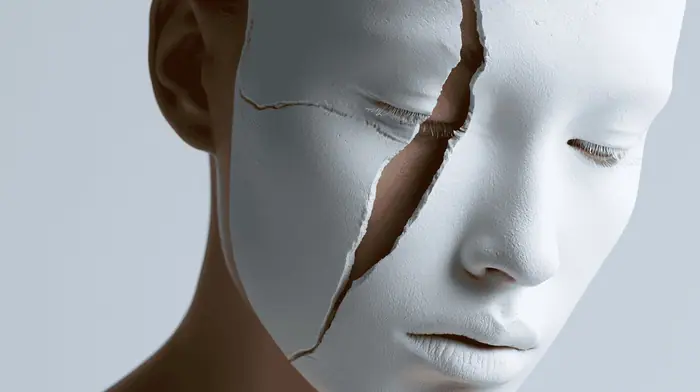
Do you always like yourself in the mirror? If your answer is “yes”, this article is not for you. If the answer is “no” and you would like to change that, read about the reasons below.
A person’s personality forms from an early age, and only among others like them. This means that the personality is built from the assessments of those around us, as reflected by our own subconscious. The images formed are deeply imprinted in us and influence absolutely every life choice. If you watch yourself in the mirror and linger in front of it longer than usual, you get a chance to meet the one who lives inside and judges your looks, attractiveness, value, dignity, or the lack of all of these. Often this comes with having no right to happiness, success, recognition, a high income, respect for your wishes, rights and boundaries. No right to choose the partners you want for a relationship, rather than the ones who simply happened to be nearby.
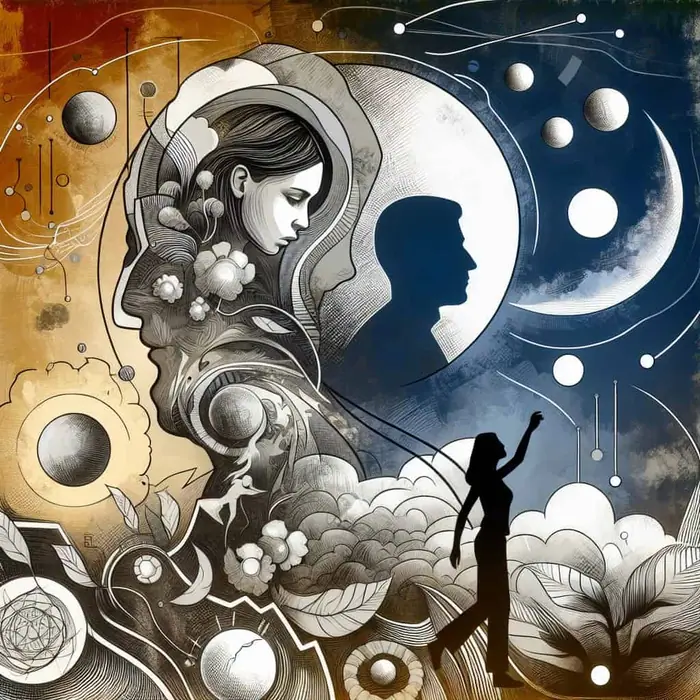
Inside every person lives a little girl or boy, as well as their parents and other significant, authoritative people who still judge them and hand out grades.
Psychology has the notion of the “self-concept”, which forms back in childhood and keeps changing thanks to the people around us. That is why it is often said that a person is what surrounds them. In other words, if you still have an external locus of control, you judge yourself through the eyes, behaviour, words and judgements of other people. Need we say that this does great harm to the quality of life? From having to hide and reject the parts of yourself that others do not like, to dependence on others’ judgement, which often plays out as a decision to play the role of a “good” person.
There is nothing wrong with being liked by others. As long as the price for it is not your own individuality.
Self-esteem becomes something you can steer only when a person starts to judge themselves on their own. They take the wheel and set off to explore the images of themselves and the images of those whose emotions, thoughts, words and instructions they still follow without realising it. Self-esteem implies having a “self” and your own criteria by which you can judge the quality of your life.
You can discover and understand your own self by turning to the methods of psychology.
Here are some of them:
- keeping a diary;
- self-observation;
- examining cognitive patterns and thoughts;
- art practices;
- a well-formed skill of self-analysis and self-reflection;
- critical thinking;
- the ability to set yourself apart, as a separate Self, from your surroundings;
- the ability to set physical and psychological boundaries, and others.

These and other tools help you get to know and find yourself, which means they open up the possibility of steering your personality and its development and of regulating your psychological balance on your own.
Being able to judge yourself through your own eyes requires psychological separation from the significant figures who dwell in the subconscious. At first these were outside figures: mother, father and other significant, authoritative adults. These people graded you, brought you up, showed love or its absence, and expected achievements, results, obedience and certain behaviour from you.
A person’s social behaviour is regulated by emotions such as shame and guilt. And every time you approach the mirror or meet significant, interesting people, the choice of your behaviour is regulated by inner, unconscious judgements. From the first days of our life, the people around us are our mirrors. So if a girl grew up in a family where she was constantly criticised, where she was an object of mockery or abuse, then as a grown woman she keeps hearing in her inner space: you are worthless, nobody needs you, nobody will ever love you, you are useless, you do not deserve love and acceptance.
It is these thoughts that create the emotional background through which the woman looks at herself in the mirror and sees an ugly reflection there, distorted by deep-seated beliefs. Or she “sees” exactly these messages in other people’s behaviour, because they agree with her unconscious ideas and judgements of herself and of the world around her.
- If you feel locked in a “kingdom of crooked mirrors”;
- If you often meet shame and guilt, which can disguise themselves as apathy, self-sabotage, a lack of energy;
- If you find it hard to talk to people because of a low opinion of yourself or a fear of being criticised;
- If it is hard to choose what you want for yourself, to ask for a promotion at work or a pay rise;
- If you are tired of “bringing up” your partner and carrying a ton of responsibility;
- If you are tired of being misunderstood, of inattention and of a feeling of hopelessness.
The course leads you into the subject of psychology step by step and helps you build a stable structure of knowledge, drawing on the foundations of psychology.
Thanks to the course, you will get:
- practice with effective, interesting homework;
- the chance to take part in interactive discussions of personal topics;
- the chance to turn towards yourself and your wishes;
- the chance to start building your life in line with meanings that are important and dear to you;
- the ability to show society different parts of your personality, not only those that will be judged favourably or are convenient for others;
- the skill of giving psychological help to yourself and others;
- the ability to understand your needs and wishes and to bring them to life.
All this and much more of interest will be open to you on our course “Practical Psychology”! Join us!
Places in the group are booked with advance payment.
Questions and sign-up by phone: +380676131088
In person and online, from anywhere in the world!