 Анна Шиман
Draft translation. This text was translated automatically and has not been proofread yet — if something reads oddly, it does.
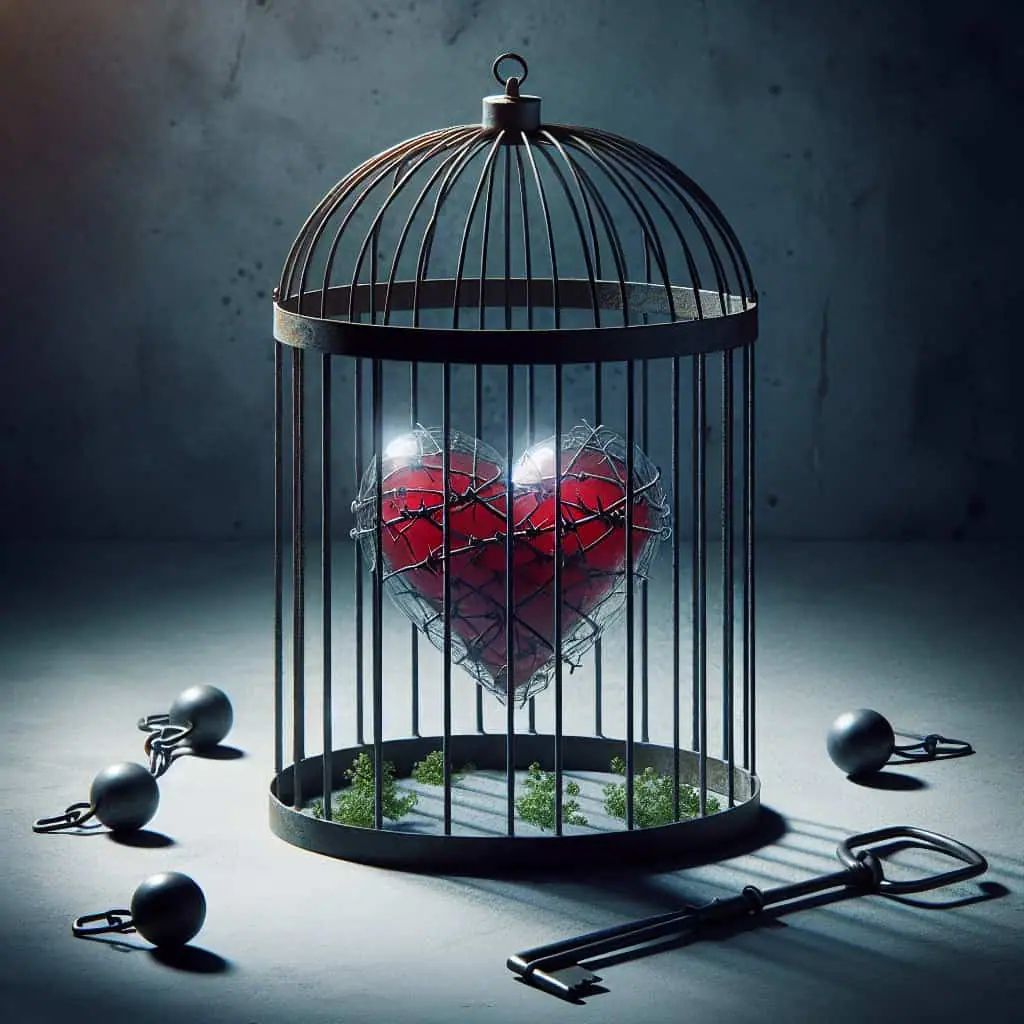
When love turns into a cage. How not to lose yourself in a relationship.
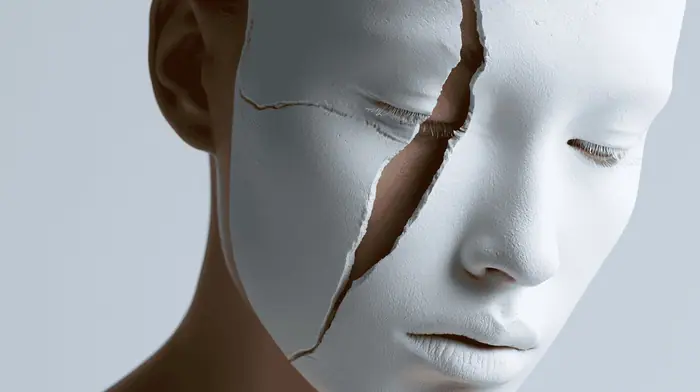
She didn’t notice how it happened. It all began so beautifully: he was attentive, caring, so “real”. It seemed to her that with him anything was possible: moving mountains, conquering the world, becoming the best version of herself. But instead, little by little, she began to feel that she was losing herself.
At first it was small things. He suggested she stay at home instead of going out to meet her friends. “You get so tired, why put yourself through it?” he would say, and she, grateful for his care, agreed. Then he started commenting on her hobby. “Painting is great, but isn’t it a waste of time? Do something more useful.” The words sounded gentle, almost tender, but inside she had a feeling that each time a little piece was being bitten off her, leaving less and less room for herself.
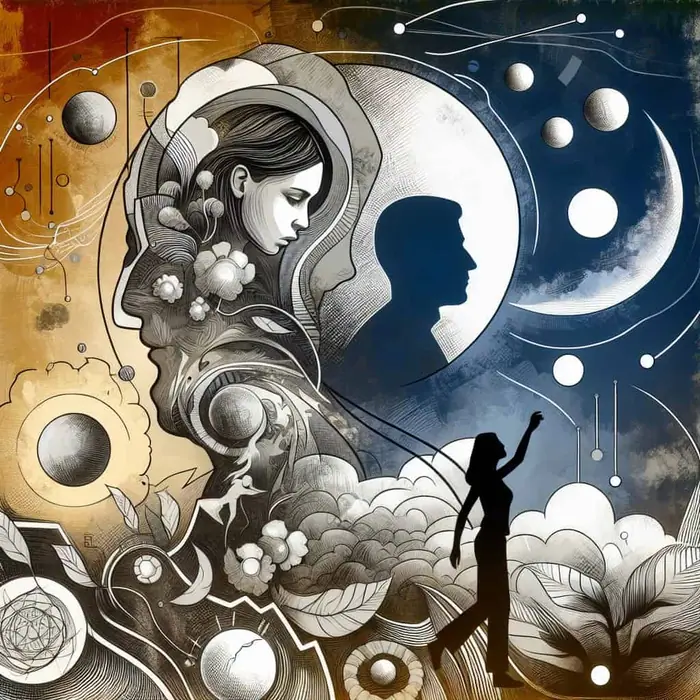
One morning she woke up and caught herself thinking: “So who am I now?” She used to be the one who painted late into the night, ran off to exhibitions with her friends and laughed as if she were fifteen. Now she sat in the kitchen, looked into her cup of coffee and felt nothing but tiredness.
Where did you lose yourself?
Stories like this don’t begin out of nowhere. Their roots go deep. Think back to your childhood. Perhaps you, too, were told: “Be a good girl”, “Don’t stick your neck out”, “Do what other people need.” Simple, even innocent phrases, it would seem, but they grow in us like seeds and turn into a whole system of coordinates.
Say a woman grew up in a family where Dad was in charge and Mum always agreed with him, and whenever the girl didn’t want to do something, Mum would quietly explain: “It’s better for everyone this way.” She learned the lesson: for the sake of love you have to give in, be convenient, adapt.
Love or dependence?
In her relationship she tried to be perfect. She quickly adapted to her husband’s wishes, took herself out of the foreground and did everything to make him happy. And when she felt unhappy, she blamed only herself. “I’m just not trying hard enough,” she thought.
But love that demands you give yourself up is not love. It is a deal. You pay for the right to be next to a person with your freedom, your dreams and even your happiness.
More and more often she felt that there was no longer any room for herself in her own life. She stopped seeing her friends — her husband didn’t like it when she gave her attention to other people. She gave up painting — after all, he considered it “impractical”. She even began to talk like him, choosing the words he liked.
At some point our woman realised that her own voice had become almost impossible to make out.
Why is it so hard to get out of codependency?
When love turns into a cage, women often stay in it even when they understand that it is wrong. It is not always about weakness. It is more about fear.
She was afraid of being left alone. It seemed to her that without a man she would simply fall apart. She imagined telling her friends about her decision, and shame swept over her: “How could I have got it so wrong?”
But even stronger was the fear of shattering the illusion. After all, the picture of a perfect relationship still lived in her head. She remembered those evenings when he held her and said she was the best thing that had ever happened to him. She thought: “Maybe if I try harder, he’ll be like that again? Maybe it’s my fault?”
These thoughts are a trap. They make you endure and wait for things to get better, but in reality they only drive you deeper into the cage.
Thoughts and feelings inside the cage of a relationship
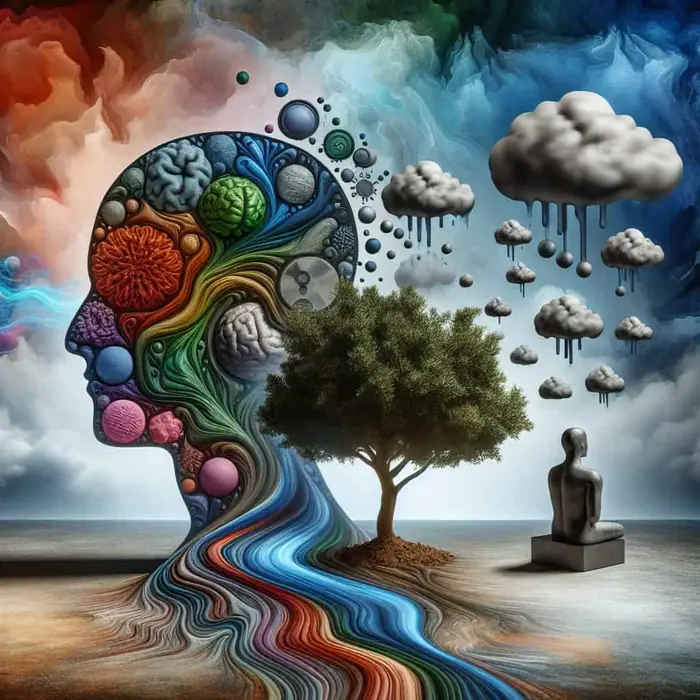
When you lose yourself, your inner state begins to resemble an endless pendulum. On one side, you feel pain, low mood, disappointment. On the other, you cling to crumbs of hope: “Maybe it can still be fixed?”
In cases like this a woman feels constantly tired. Her energy goes into keeping the relationship going, as if she were carrying a heavy load that nobody but her can see.
Such a woman often thinks:
- “I’m not good enough for him to be happy.”
- “Maybe it’s just a rough patch?”
- “If I leave, I’ll be alone for ever.”
Sometimes she is angry. At her husband, at herself, at the whole world. But more often she suppresses these emotions. Anger, after all, doesn’t suit “good girls”.
What to do when love is suffocating you?
One day our heroine looked at some old photos and realised that something had to change. In them she was smiling, glowing, completely herself. And then the realisation came: “I don’t want to lose this girl. I want her back.”
The way back to herself was not easy.
At first she simply started asking herself questions: “What do I want? What makes me happy?” The answers didn’t come at once. They were quiet, almost a whisper, because her voice had stayed in the shadows for so long.
Then she tried small steps. For example, she went to a café with a friend, even though her husband was displeased. She bought new brushes and began to paint in small strokes, as if she were learning all over again how to be herself.
But the most important thing she did was to stop blaming herself.
Freedom begins with loving yourself
Love is not a cage. It is wings. But to spread them, you need to learn to love yourself. Not to sacrifice yourself for someone else, but to find happiness in harmony.
A woman can discover that happiness is not about pleasing others but about being honest with herself. And if honesty means some doors have to close, that is all right. After all, others always open behind them.
This path can be long and far from easy. But it is worth it. Because at its end you find what was lost — yourself.
Do you recognise yourself?
Join us on Telegram, let’s talk.