 Анна Шиман

Draft translation. This text was translated automatically and has not been proofread yet — if something reads oddly, it does.
The shadow of the critical father. How the father complex affects femininity.
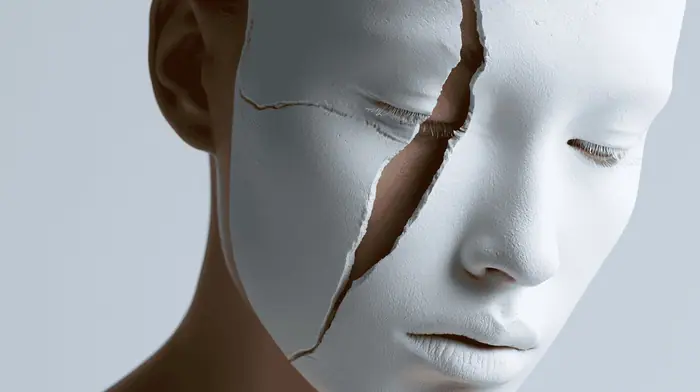
When a father becomes an authoritarian or critical figure in his daughter’s life, he may impose strict standards that shape not only her self-esteem but also the way she perceives her own femininity. This figure becomes a symbol of harsh judgement, which can block the natural and free expression of female identity.
The figure of the critical father
A father who plays the role of a strict critic often demands that his daughter live up to high standards. He may be cold, excessively demanding or often dissatisfied with her actions, successes or choices. Such a figure may not support femininity in its familiar, gentle form and may instead favour strong, “masculine” qualities: independence, decisiveness, pragmatism. In this case the daughter begins to strive to match the ideals her father has set for her.
The father’s role in shaping the inner critic
If a father constantly criticises his daughter or does not value her feminine qualities, she may begin to see them as shortcomings. This can form a lasting inner belief: “I am not enough”, “I have to be different, not the way I am”. The father’s criticism from outside becomes an inner voice, which turns into self-criticism as she grows up.
As she grows up, a woman may become excessively self-critical, trying to live up to an ideal that does not exist, one she absorbed in childhood. She may feel that she lacks “femininity”, that she must be “better”, “prettier”, “obedient” or meet some external demands that are not really her own.
Striving for the ideal and the feeling of inadequacy
A daughter who lives under her father’s tight control or criticism begins to link her worth to meeting external demands. She may become a victim of her own perfectionism, trying to match the ideals imposed on her. External standards and expectations become the deciding factors of her self-esteem. A woman may not allow herself to rest or to be soft, because she feels she must be “good enough” and keep proving her worth.
This constant striving for the ideal and struggle with an inner feeling of “inadequacy” create psycho-emotional tension, which colours the way she sees herself and her possibilities. For example, if a father made harsh demands about his daughter’s appearance or achievements, she may constantly feel that she is not good enough or that her femininity does not meet high standards. This can lead to chronic dissatisfaction with herself, problems with self-esteem and difficulty accepting her physical and emotional side.
The effect on expressing femininity in adulthood
Such a woman may struggle to express her femininity as a mature adult. She may perceive femininity as something weak or not worth attention. She may feel that her natural traits — caring, softness, intuition — do not meet the high standard instilled in her in childhood.
She may try to suppress her feminine qualities, trying to fit the role of the strong and independent woman that her critical father set for her. In some cases this can lead her to give up romantic relationships or emotional closeness, because she may consider herself not “good” enough for a partner or, on the contrary, tries to be too perfect, which creates an inner conflict.
How it shows up in relationships
In relationships with partners, a woman who grew up with a critical father may be overly demanding of herself and of others, never allowing herself to be vulnerable or soft. She may feel that her worth depends on her successes and achievements rather than on who she really is. This can create problems in relationships, where relaxation and trust are needed.
Besides, she may attract partners who continue this dynamic, be they overly critical or demanding figures. Such relationships can develop a pattern in which the woman once again feels she is not enough and reaches for an idealised image.
How to heal “the shadow of the critical father”
- Freeing yourself from ideals. The first step is to realise that the inner standard created in childhood is not really your own. You can begin working on accepting yourself as you are, with all your imperfections.
- Self-acceptance practices. These include meditation, keeping a journal, working with your inner dialogue and other techniques that help strengthen your sense of self-worth regardless of external standards. We teach these techniques on our online course “Practical Psychology”.
- Working with a psychologist on childhood traumas. Working with a psychologist can help you work through traumas related to your relationship with your father and learn to separate your inner world from outside judgements. This will help you learn to see yourself without distortion and let go of the feeling of “inadequacy”.
- Forgiving and accepting your father. Recognising that the critical father figure was also shaped by his own experiences and problems will help you let go of old grievances and give yourself the chance to be free of imposed limits.
Healing and restoring femininity begins with accepting yourself as a whole person, free of old critical attitudes.
We invite you to grow with us! Join us on Telegram.