Anatomy of the Psyche. Practical Psychology.
A structured psychology programme for those looking for a scientific, well-organised footing in understanding themselves.
This programme is a ten-month live exploration of how the human psyche works. It was created for those who want to step out of the chaos of subjective impressions, master the basics of academic psychology and gain systematic tools for self-observation, reflection and managing their own states.
The programme has been running and evolving successfully for more than 7 years, combining classical theories of personality with in-depth practical correction.
- Length: 10 months.
- Frequency: once a week, live online meetings in Zoom.
- Format: a lecture core, work on practical tasks and on your questions in a small group of up to 15 people.
- Condition of taking part: everyone attends with their camera on, to keep the contact live and the space safe. Sessions are recorded.
Who is “Anatomy of the Psyche” for?
The programme is designed for people who have outgrown shallow “pop psychology” and are looking for a scientific, structured and systematic footing:
- For those exploring themselves “for themselves”. If you want to step out of the chaos of subjective impressions, understand the true motives behind your actions, decode your emotional states and stop “drowning” in anxiety or in other people’s manipulation.
- For explorers and “seekers” of depth. For those who are taking, or plan to take, the course “The Hero’s Journey” through the archetypes of Tarot, but feel that fully integrating the experience needs a solid foundation in classical science.
- For beginning psychologists, coaches and helping practitioners. The course is ideal for those who, after various courses and seminars, still lack the whole picture. The programme ties scattered theories into one working system.
Ahead of you are 10 months of systematic exploration:
Each block of the programme is a consistent step from the basic mechanisms of perception to the deep mechanisms that shape your personality.
1. A psychological view of reality and the structure of the psyche
- The duality of perception: how the psyche separates “inner” and “outer” space, and where the line runs between objective reality and our projections.
- The structure of the unconscious: the evolution, functions and structure of the psychic apparatus. Levels of consciousness and an integral model of the whole personality.
- The method of introspection: mastering professional tools of systematic self-observation to notice hidden patterns of behaviour.
2. The structure of the “I”: self-awareness and differential psychology
- Self-concept and society: how our self-esteem forms, what genuine self-worth is made of, and what part social masks and roles play in our lives.
- Genes and environment: how the notions of “human being — individual — personality” relate. How innate inclinations and properties of the nervous system shape character, temperament and the representational systems of perception.
- Life transitions: the stages of development by age and the psychological crises that set the scripts of adult life.
3. The physiology of activity and cognitive processes
- The biology of the mind: psychomotor function and the neurophysiology of activity. How the work of the brain and nervous system is linked to our behavioural responses.
- Cognitive mechanisms: the psychology of sensation, perception and mental imagery. How our memory works, how thought-forms are born in the imagination and how thinking governs reality.
- The psychology of attention and will: how the focus of our perception shapes our emotional state, and where the psyche finds the willpower to overcome inertia.
4. Mental states. Stress and the mechanisms of adaptation
- Managing states: the mechanisms of mental self-regulation and the limits of our adaptation to a changing environment.
- The anatomy of stress according to H. Selye: the physiological triggers of burnout, and where hidden fears, phobias and panic states come from.
- Transpersonal experience: altered states of consciousness, in-depth psychological correction and the signs of genuine personal growth.
5. Psychic energy and the psychology of successful communication
- The nature of emotions: the physiology and energetic side of our feelings. Emotional programmes and stereotyped emotional behaviour.
- Energy balance: how to recognise emotional burnout in time and restore your inner resources.
- The psychology of influence: the mechanisms of empathy, the rules of respectful and successful communication, recognising hidden manipulation and building psychological boundaries.
6. Body-oriented analysis and the fundamental theories of personality
- W. Reich’s body psychology: the concept of “muscular armour” — how emotions and fears that were never expressed become encapsulated in the body as tension and blocks.
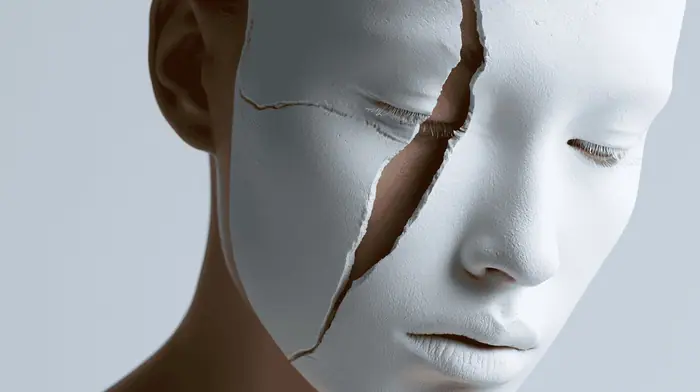
- Childhood wounds according to L. Bourbeau: the typical wounds of early childhood, the protective masks they create and the scripts of adult behaviour.
- The great schools of psychology: a practical exploration of the methodology behind the key concepts of the human personality. We will look at how the great masters see a person: S. Freud, E. Erikson, A. Adler, E. Berne, F. Perls, C. G. Jung, R. Assagioli, as well as cognitive and transpersonal psychology.
What will you take away?
Having covered these 10 months, you will create real changes in the quality of your life and perception:
- Stable self-worth. You move from shaky self-esteem that depends on others’ opinions to a firm inner sense of your own “I”.
- The skill of accurate reflection. You learn to use introspection as a working tool: you clearly see your “blind spots”, understand the causes of your reactions and stop destructive patterns before they start.
- Psychological immunity. You begin to see straight through the structure of communication, instantly telling healthy, respectful contact from attempts to manipulate you or use you as a resource.
- Emotional maturity. You master the skill of “holding” difficult feelings and regulating yourself consciously. You learn to analyse your emotions and fears instead of escaping from them into psychosomatics or defences.
- Critical thinking. You learn to look at objective reality directly, clearing it of your own illusions, childhood wounds and masks imposed by society.
Are you ready for this path?
10 months is a serious stretch of life. Taking part in the programme will ask for your regular intellectual and emotional involvement.
We don’t offer quick results or “spiritual growth from the sofa”. This is deep, consistent work on leaving illusions behind and assembling a stable structure of your personality.
This programme is for you if:
- You are ready to come to live meetings every week and work with your camera on, respecting the group’s space.
- You are ready to set aside time for homework, self-observation and self-analysis on your own.
- You understand the value of a long-term investment in your inner world and are ready to go all the way.
If you are looking for a magic pill, you don’t need this course. But if you are looking for a fundamental scientific footing and are ready to take charge of your own psyche, we are waiting for you.
Make your decision firmly and consciously.
To sign up, fill in the form below and we will get in touch.