 Анна Шиман
Draft translation. This text was translated automatically and has not been proofread yet — if something reads oddly, it does.
What is personality and how do you develop it?
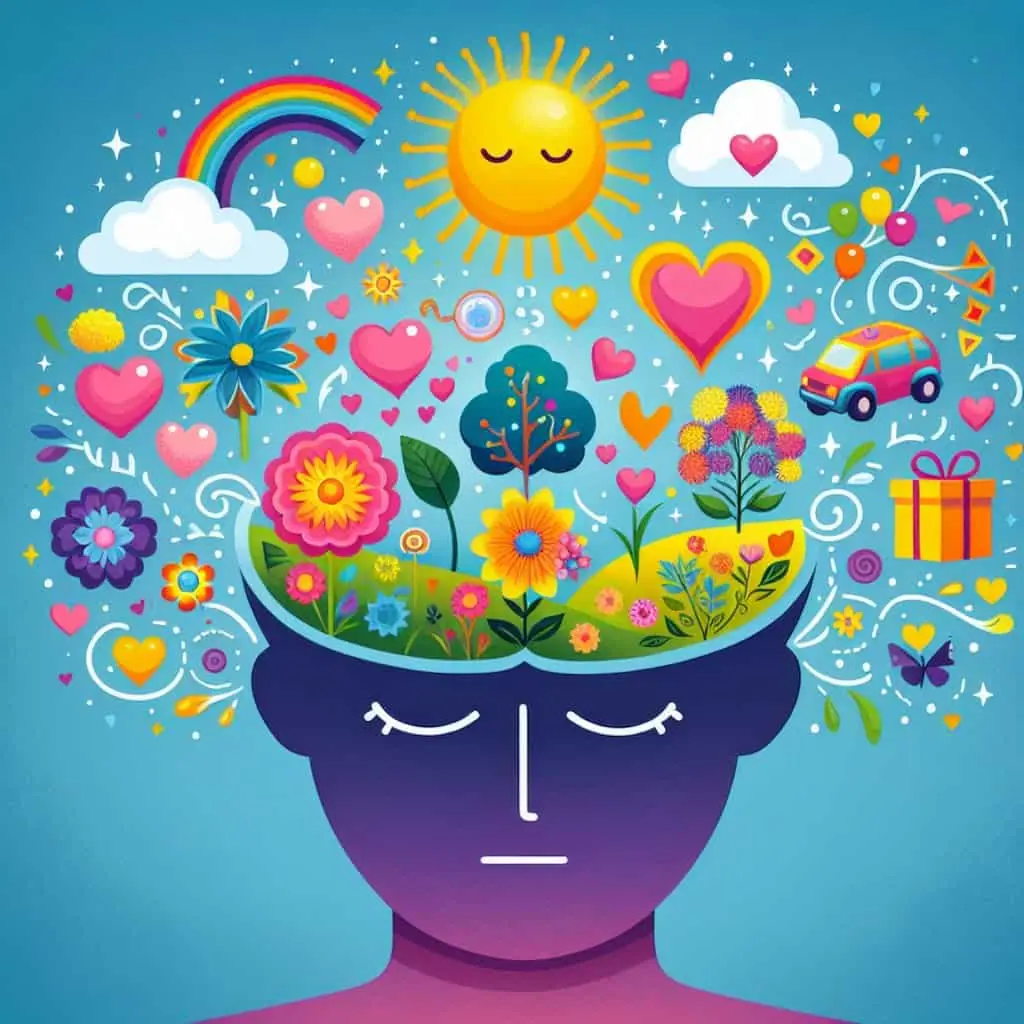
Personality is a many-sided concept that covers every aspect of a person’s inner world. It includes our beliefs, values, habits, emotions, motivation and patterns of behaviour. Personality makes each of us unique and shapes how we perceive the world and interact with it.
There are different approaches to understanding personality. Psychodynamic theory, for example, holds that personality is formed through unconscious conflicts and their interplay with conscious processes (as in the theories of Sigmund Freud). The humanistic approach (Abraham Maslow, Carl Rogers) focuses on a person’s striving for self-actualisation and for awareness of their own uniqueness.
Key aspects of personal development
Personal development is a process that requires conscious attention and effort. It is not only a matter of acquiring new knowledge but also a deep inner transformation, bound up with growing self-awareness, emotional maturity and effective interaction with the world. Here are the key steps on the path of personal development.
Mindfulness and self-reflection
The first step in personal development is mindfulness. It is the ability to observe your thoughts, feelings and actions without judgement or criticism. Mindfulness helps you see yourself more clearly, understand what drives you and make more meaningful decisions. A regular practice of self-reflection, such as keeping a journal, lets you analyse your emotions and actions and identify your strengths and weaknesses.
Reflecting on values
Every person builds their life on certain values and beliefs.
Ask yourself: what really matters to you?
It may be family, career, creativity, self-fulfilment, health or social justice. Being aware of your values lets you direct your energy towards what brings genuine satisfaction. Once you have defined your priorities in life, you will be able to make decisions that are in tune with your inner principles.
Emotional intelligence
One of the important aspects of personal development is the ability to manage your own emotions and understand the emotions of other people. This is what is called emotional intelligence. People with a high level of emotional intelligence find common ground with others more easily and cope better with conflict and stress. Developing emotional awareness helps strengthen interpersonal bonds and also improves inner harmony.
Developing resilience and adaptability
The modern world is full of change and challenges, and one of the main qualities that helps a person grow is the ability to cope with difficulties. Resilience is the ability to adapt to new conditions, learn from failures and keep moving forward. When you face difficulties in life, it is important not to lose your inner balance and to see hardships as an opportunity for growth and new knowledge. To be resilient, a person needs to rely on themselves and be able to turn to others for help.
Setting goals and self-discipline
Personal development requires clearly defined goals and a steady, planned effort to reach them. Developing self-discipline is the key to success in any undertaking. Without clear goals and a strategy for reaching them, a person may end up stagnating. To develop, you need to keep setting yourself new tasks and looking for ways to accomplish them, even if it takes time and effort.
Education and self-development
New knowledge is a powerful tool for personal development. Self-development means not only broadening your knowledge in particular fields but also broadening your outlook and becoming more aware of yourself and the world. It may be reading books, attending seminars, taking part in courses or exploring topics that interest you on your own. New knowledge lets you form a deeper understanding of life and find new ways of solving problems.
The influence of your surroundings
The environment we are in has a significant influence on our personal development. The people we spend time with can motivate us to grow or, on the contrary, hold us back. It is important to be aware of how your surroundings affect your behaviour and your inner state. Choose people who support your goals, share positive ideas and inspire you to new achievements.
Challenging yourself
Personal development is impossible without stepping beyond what is familiar and comfortable. Overcoming your fears, resisting inner limitations and being ready for uncertainty are important steps on the path of personal growth. By putting yourself in new, unfamiliar situations, you expand your boundaries, gain experience and become stronger as a person.
Personal development is a long and many-sided process that calls for attention, work on yourself and conscious decisions. Personality can be pictured as a dynamic structure that keeps changing under the influence of our experience, our interactions with other people and our inner self-discovery. It is important to remember that the path of personal growth is individual for everyone, and that what matters is not only the final goal but also the process of change and self-development itself.
By developing your personality, you not only enrich your inner life but also improve the way you interact with the world around you. This helps you become a more resilient, purposeful and balanced person, able to handle life’s tasks effectively and reach your goals.
We invite you to grow with us, in a community of like-minded people!