Join “Stress Management”, a programme for developing skills in psychological resilience and self-regulation!
Start date: enrolment open for September 2022
Time: 10:00 to 18:00
Length: 9 months (1 module, once a month)
Price: ₴1100 per module
If you pay for the whole course: ₴7200
Sign up: 067 6131088
How to take part:
Theory — in person and online
Practice — in person only

Programme goals: mastering skills and methods for diagnosing and regulating your inner states on your own. Learning techniques for working with stress states, preventing stress and clearing up its consequences. Strengthening the body’s resistance to stress, improving mental and physical health, raising vitality. Gaining effective tools for influencing inner and outer reality, and building a steady inner focus of attention.
What the programme includes:
Two blocks: theory and practice
Each practical session consists of:
- Brief theoretical material
- A practical part, which includes doing exercises, individual work with the trainer within the group format, and interaction with other group members
- A closing discussion and summary of the session.
- Homework
What you will gain from the programme:
- knowledge of stress, its causes and development, and its symptoms;
- you will master methods for clearing up and preventing stress;
- you will get to know effective methods of psychological self-diagnosis and learn to apply them;
- you will master methods of self-regulation;
- you will gain skills in managing your mental and physiological resources;
- you will strengthen your nervous system;
- you will leave your existing stresses in the past;
- you will learn to work with images and emotions;
- you will learn to raise your energy potential and keep it at a healthy level.
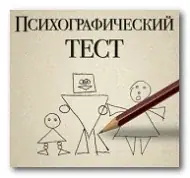
You will also get a practical introduction to a fascinating and effective psychodiagnostic method, the “Wartegg Drawing Test” by Ehrig Wartegg.
About the Wartegg method
The test belongs to the category of expressive-projective methods of personality assessment; it is an unfinished-drawing method. It helps to understand the visual, symbolic meanings that arise in a person about one side of life or another (about themselves, the people around them, their plans and aspirations, their way of acting, their anxieties and fears, and so on). The test makes it possible to measure a person’s visual-spiritual, meaning-based relations, which rest both on vital (psychophysiological, subconscious) features and on motor-volitional (conscious) functions.
The Wartegg test makes it possible to reliably assess: Subconscious evaluation of the outer world Subconscious self-identification in society Subconscious attitude to the future Drive to achieve goals Subconscious attitude to difficulties and obstacles. Subconscious perception of the family Decisiveness, assertiveness, vulnerability, sensitivity, anxiety.
Who the programme is for: teachers, psychologists, service-sector workers, staff and managers, and a wide range of people with no professional or age restrictions. The programme is especially valuable for those whose professional and other activities involve stress, contact with large numbers of people, processing large amounts of information, and the risk of emotional burnout.

Session plan:
1. Theory
- The concept of stress. The nature of stress. Types of stress.
- Stress factors and symptoms.
- The conscious and the subconscious.
- Body and emotions
- Idea and action. Outer and inner
- Mental self-regulation. Basic concepts and methods
- Energy and emotions. Basics of the emotional-imagery method
2. Practice
- States of consciousness. Levels of consciousness
- The trance state and techniques for entering trance
- Relaxation. Techniques for reaching inner calm
- Meditation. Techniques of active and passive meditation
- Techniques for relieving physiological and psychological fatigue
- Colour and emotions. Techniques of emotional diagnosis
- Techniques of emotional correction with colour
- Music and states. Relaxation
- Types of music for modelling and correcting states
10, 11, 12. Techniques of psychological self-correction (practicum)
- The concept of empathy. Pros and cons of empathy
- Types and effects of psychological influence
- Negative experiences as factors in the onset of stress
- Methods for working with negative memories and states
- “Toxic surroundings”, “energy vampirism” — symptoms and ways of dealing with them
- Ancestral memory. Inherited emotional programmes
- Techniques for working with the past and ancestral programmes, restoring the bond with your lineage
- – 26 Psychophysical self-diagnosis.
The “Wartegg Drawing Test”. In-depth study of the test, practicum and methods of psychological correction.
- Reactivity and the cyclical nature of emotional reactions. Stimulus – reaction – behaviour. Techniques for overcoming and breaking cycles of reacting and creating new ones.
- Inner, outer, integration and creating balance.
29, 30, 31. Personal symbols for self-regulation. Methods and techniques for creating them.
A certificate is issued at the end of the course to those who attend all sessions and complete the homework.
You can sign up for the course by filling in the form below.