What is in the box
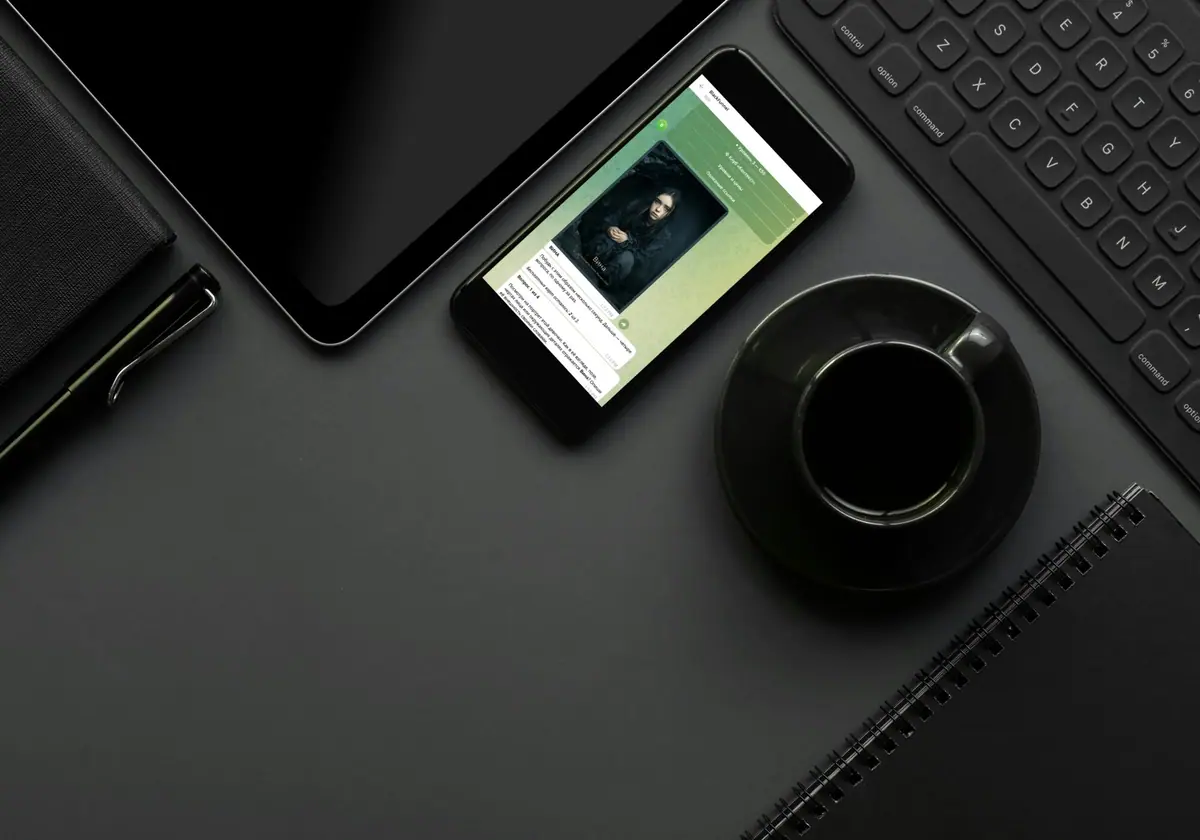
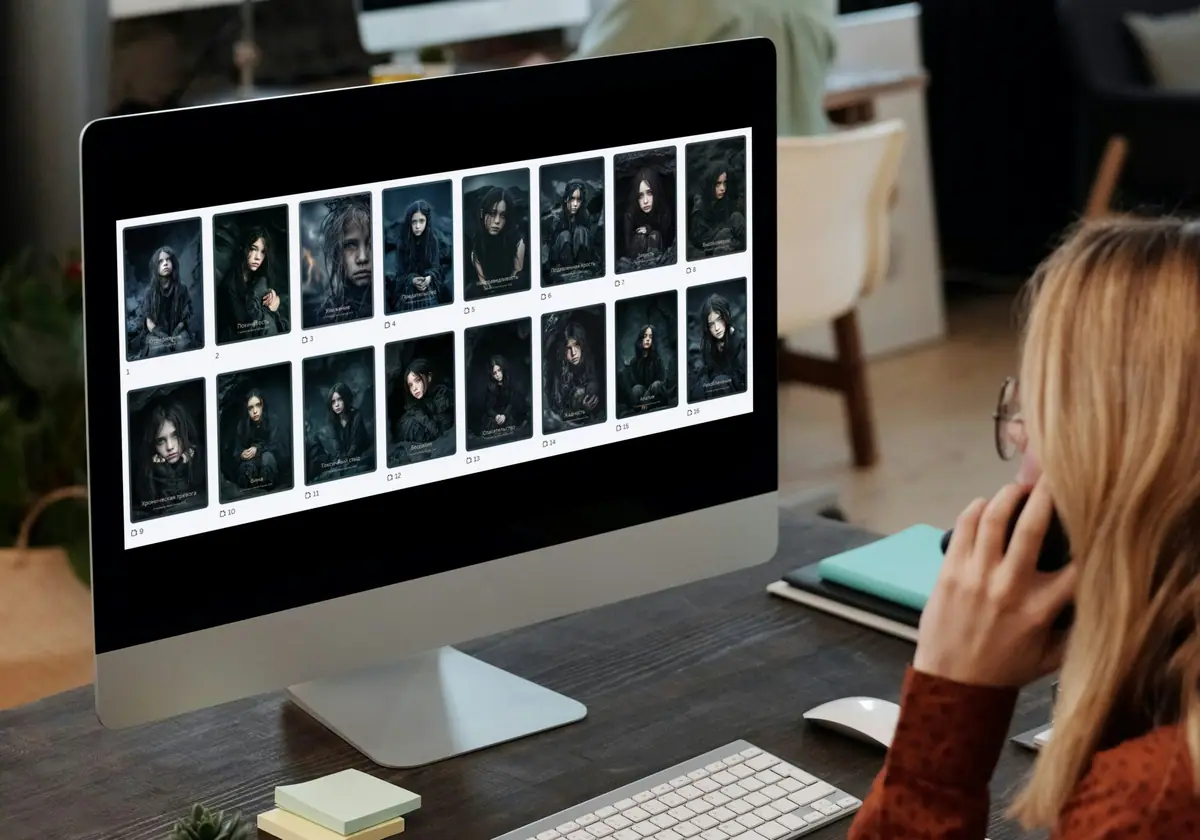
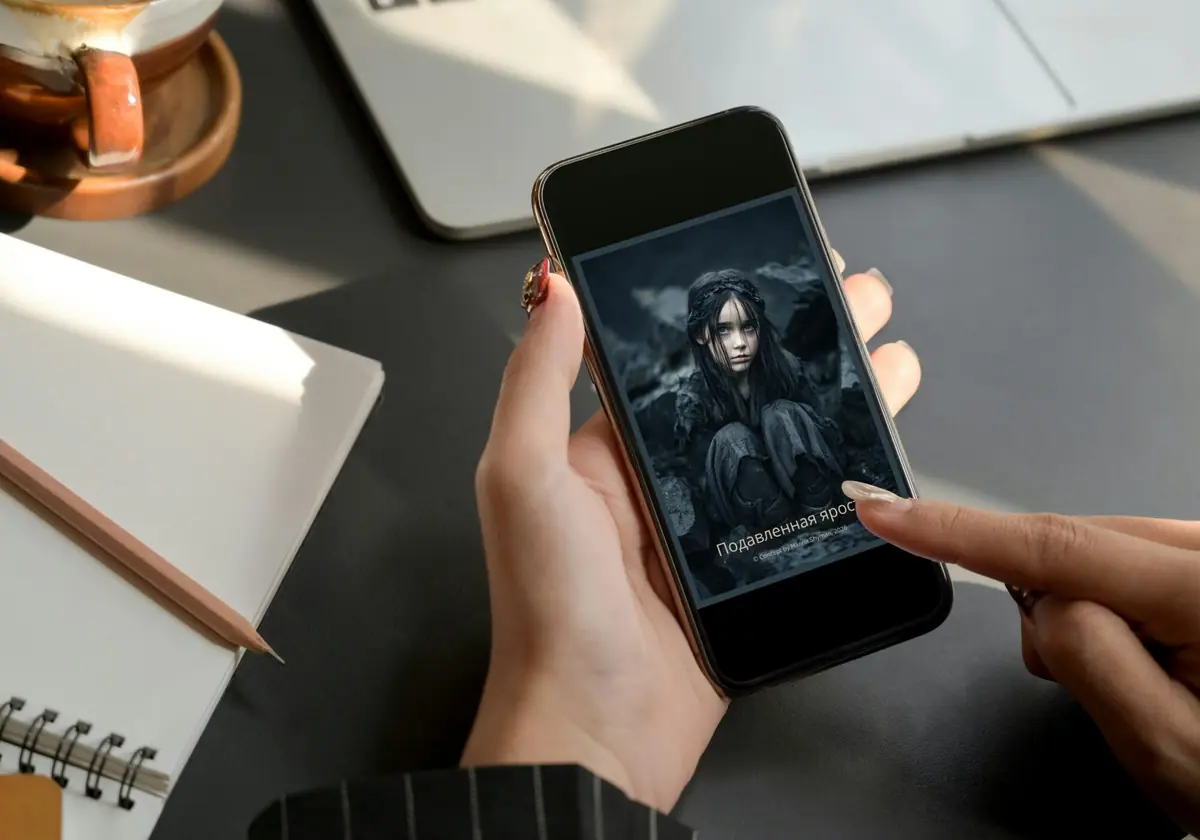
Twenty-one portraits made to the concept of Anna Shyman. Each card is a shaped image of one state: not a “meaning” to be looked up, but a face to be looked into. The printed deck matches the digital one card for card, so a card from the bot is easy to find on the table and the other way round.
The cards fall into three blocks, and the split is already a quick diagnosis: people usually get stuck inside one of them.
- 1–5. The basic wounds and masks (after Lise Bourbeau): rejection, abandonment, humiliation, betrayal, injustice.
- 6–15. Shadow feelings: suppressed rage, envy, arrogance, chronic anxiety, guilt, toxic shame, helplessness, self-sacrifice, greed, apathy.
- 16–21. States of deficit and roles: the impostor, immaturity, sinfulness, loneliness, rivalry, lost identity.
Why paper, when there is a bot
The bot is good at leading: it asks the questions one at a time and does not let you skip ahead. Paper is good at something else — you see all of it at once. Twenty-one cards can be laid out on a table, and then you choose not the card you were offered but the one you keep looking away from. With a client or in a group these are two different instruments, and usually both are needed.
One more thing: in a consulting room a phone is an extra object. A deck on the table does not distract and does not ask to be unlocked.
Who it is for
For psychologists and group facilitators, as a ready frame for a session: the stimulus, the questions, the search for the echo in the body, the ending. And for people who work on their own and have already tried the deck in Telegram — the same cards, only slower and in your hands.
The material is heavy. The deck is meant for steady people and is not suitable during acute grief, a fresh trauma or clinical depression: there you need a real specialist beside you, not cards. It stays a tool for self-knowledge and does not replace medical care.
Where things stand
All 21 cards are drawn, the texts and questions are written, and the digital version runs in Telegram. Printing is what is left, and that comes down to geography: the run, the box and the shipping are all calculated from where the requests come from. So the list comes first.