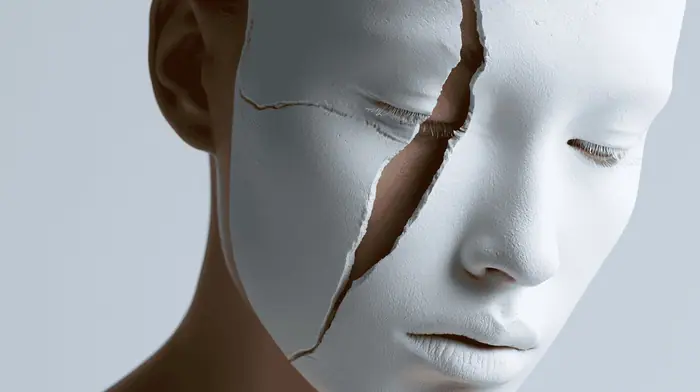
Stress always heralds change in life, so there is no need to fear meeting it. Prolonged stress, however, which psychology calls “distress”, can lead to an unwanted outcome. Distress that goes uncontrolled or unrecognised in time, unlike short-lived and useful eustress, risks becoming a chronic process and turning your life into a string of very unpleasant circumstances and consequences.
Why is stress dangerous?
First and most dangerous: you get used to it. Are you in the habit of suppressing discomfort, rejecting and pushing away irritation, displeasure, disgust, disagreement, pain and other unpleasant and situationally inconvenient feelings? Bear in mind that in this way you steadily unsettle your psyche and deprive yourself of wholeness and balance. In such situations a conflict forms between the course of events you want, which emotions and bodily reactions usually signal, and the external stimulus that causes irritation of varying strength and intensity. To avoid feeling the tension, of which plenty builds up in everyday life anyway, a person goes to extremes, moving towards one of the poles of the psyche. As a rule, this is the pole of logic, will, rationalisation and “shoulds”. The other pole — desires, emotions, feelings, instincts, which live in our bodily part — is left with no right to be noticed, or is very quickly pushed out of the field of consciousness.
What happens next?
In time, illness, injury or destructive circumstances come into your life, your energy runs out, or you have a nervous breakdown. This often happens unexpectedly. Immunity, which is meant to protect the body from harmful influences, “bids farewell” and leaves for parts unknown, abandoning you alone with external and internal pressures. At that moment you are either completely drained and apathetic, or wound up to the limit and react with hysterics to the slightest irritation from outside. And then, as the well-known saying goes, “it never rains but it pours”! One unpleasant situation after another starts happening in a person’s life, and unsolved problems pile up like a snowball. In the end the person is even more exhausted and depressed and, having failed to regain control, most often gives up. Having reached this point, you are in a state of energy deficit and see no way out of the situation. Which is quite natural for the circumstances you find yourself in, having constantly run away from the need to pause and suppressed “inconvenient” emotional reactions instead of living through them and adapting properly to external circumstances. In this case stopping is the best way out, yet the most strong-willed and ambitious keep treating themselves in a demanding and uncompromising way. Then the instinct of self-preservation takes over, and you find yourself in circumstances that do not depend on your will. It may be an injury, an illness or other restraining factors that force you to stop and restore the resource you have lost. In such cases it is advisable to seek help from specialists.
We, for our part, invite you to take care of yourself, to work on stress prevention and on creating comfortable living conditions that will let you be effective and achieve the results you want in various areas of your life.
How do you notice stress? For this, our centre has created a developmental, modular practice-oriented programme, “Stress Management”.
During the programme, participants learn to notice the early signs of stress and to create the conditions needed to prevent stress in their living space, and they build skills in self-regulation, creating psychological balance, diagnosing stress and giving psychological help.
Most often, unmanaged stress goes hand in hand with emotional exhaustion, or “burnout”. In psychology this is called “emotional burnout syndrome”. You can learn more about it in our “Practical Psychology” course, where we look not only at the signs of burnout but also at ways to prevent and overcome it.
If you notice the following symptoms, you should start working on stress prevention and stress-resilience practices right away.
So, most likely you have unmanaged stress if:
1. You have negative feelings when someone near you is happy or in high spirits;
2. You have noticed that in the morning you want to stay in bed despite a long sleep, your body feels tired and lacks tone;
3. You wake up with apathy, a negative mood and anxiety whose causes you do not understand, and you do not know what you want — either right now or in the longer term;
4. You have an inexplicable sensation in the solar plexus, like emptiness or nausea, and you lose your sense of time and space, sinking into a trance state;
5. Thoughts of work bring feelings of depression, gloom and even despair. Goals and aspirations you once longed for have lost their meaning and relevance;
6. Contact with clients and customers comes down to formally doing your duty, and you try to end the conversation quickly so you can withdraw into yourself;
7. You notice that you feel gloating when you see others fail, or catch yourself wanting revenge;
8. You often feel lazy and sleepy, and feel doomed and powerless;
9. You get irritated with children, loved ones and people around you in situations where you never noticed this in yourself before;
10. You feel unneeded and unloved, and you feel a resentment that cuts you off even further from the people around you;
11. Food has no taste, you eat because you have to rather than because you want to, and you treat yourself and your needs mechanically;
Having noticed these signs, you can help yourself by doing the following:
1. Set a sleep routine and try to learn to go to bed and get up at the same time. You should go to bed before midnight, that is, ideally at 22:30. Start getting enough sleep, give up scrolling social media before bed and films with heavy, dramatic, negative themes.
2. Take a morning shower, alternating warm and cool water. If you can, douse yourself with cold water and harden yourself. Simply as you shower, imagine your bad mood, irritation and negativity leaving you along with the streams of water.
3. After waking up, stay off social media for at least 30 minutes
4. Do exercises every morning for 10 — 15 minutes, helping your body and psyche adapt to the new day. Do breathing exercises, outdoors if you can.
5. Make your bedroom properly dark: switch off all the lights, hang thick curtains or blinds.
6. Surround yourself with pleasant and beautiful things that you will see when you wake up. If touch matters to you, get some loungewear that is pleasant to the touch and soft slippers.
7. Be sure to air the bedroom right before sleep and in the morning after waking up.
8. Create a few favourite rituals that help you tune into the flow of life, and try to do them every morning. For some it is a beautifully served cup of coffee, always alone, every morning. For others it is meditation, planning the day, working with metaphorical cards or a call to someone pleasant. Experiment and find the rituals that are truly yours, the ones that will give your day its structure.
9. Learn to switch to other activities during the day. Take 20-minute breaks every 2 hours, go outside or do something else. Breathe or do a light warm-up, stretch your whole body.
10. Spend time alone, set aside time “for yourself”, at least 2 hours a day. Plan walks or keep a journal in the evenings. Take up drawing or another hobby that is of little use from the point of view of the rational mind and conventional criteria of success.
And remember that control is always in your hands, even if you have ended up in a stressful situation!
Stay well, and come to our events!
Anna Oleksandrivna Shyman, leader of courses and programmes at the Psyvision Centre.
To sign up or ask a question, fill in the form below